


This page explains how the On-Demand Scheduling with Structure principle balances flexibility and accountability in mYngle programmes. This principle describes a learning mechanism from second-language acquisition research and explains how mYngle applies it in practice.
Overview
mYngle On Demand helps busy professionals improve their language skills by reducing scheduling friction while providing clear accountability. When time pressure, travel, and changing workloads make learners postpone sessions, momentum breaks and progress stalls; with 24/7 booking and easy rescheduling across time zones, learners can maintain a steady practice rhythm that supports distributed practice and long-term language development. To ensure flexibility translates into measurable results, mYngle pairs on-demand scheduling with clear goals, teacher guidance, and regular progress check-ins, keeping learners accountable while providing HR and L&D with visible, trackable progress.
Research Foundations
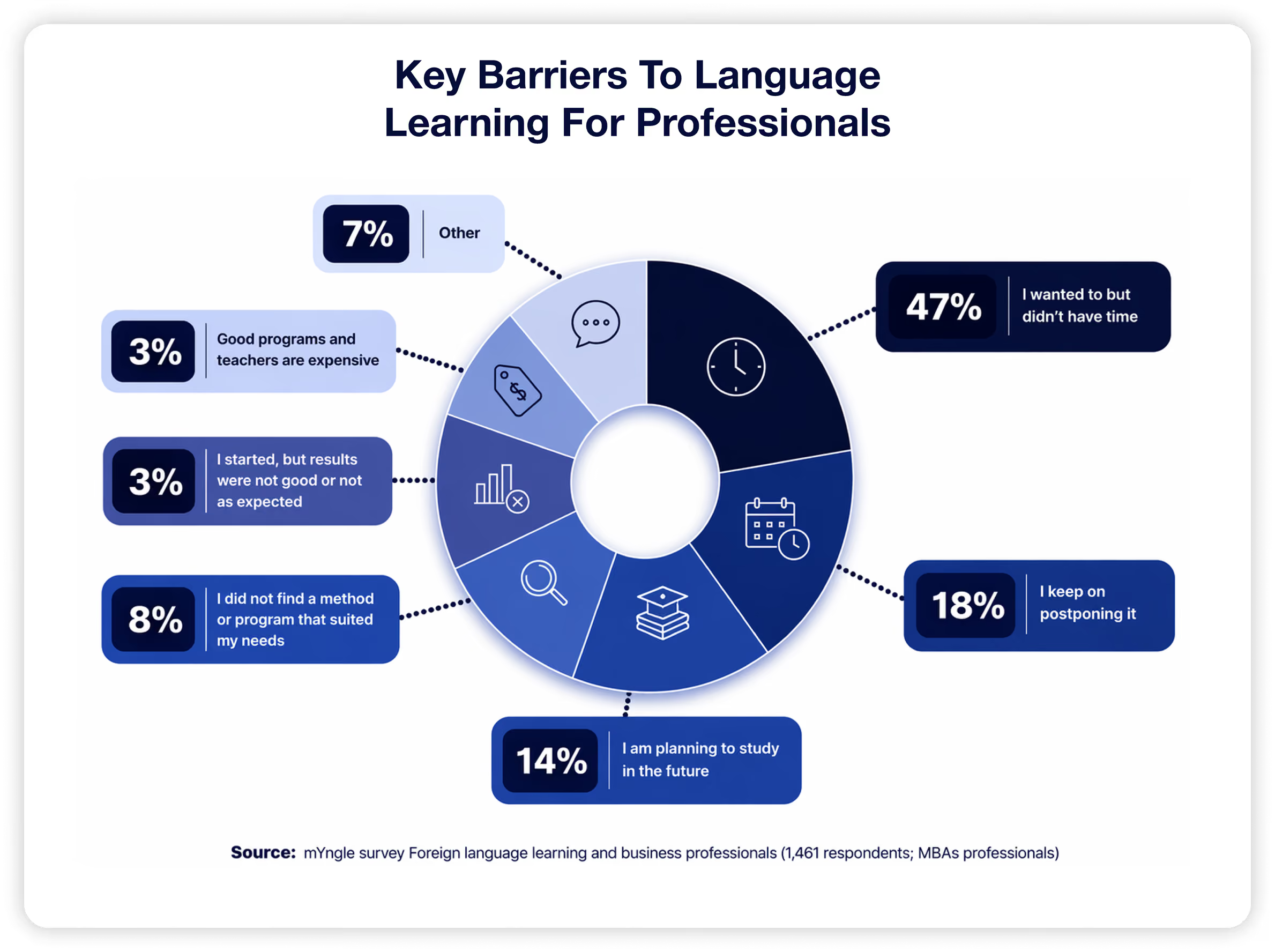
1. Flexibility matters because lack of time is the biggest barrier:
Adult learners often drop learning plans because they cannot consistently protect time. mYngle On Demand addresses this with 24/7 availability so learners can book lessons during office hours, evenings, weekends, and while travelling.
2. Low-friction rescheduling reduces delays and supports persistence:
When rescheduling is difficult, learners postpone and habits break. mYngle maintains continuity by letting learners book or reschedule up to two hours before a lesson starts, so unexpected work changes don’t automatically mean missed learning. This kind of structured flexibility is consistent with autonomy-supportive principles that emphasise meaningful choice within clear rules.
3. Global access protects continuity across time zones and travel:
mYngle lessons are independent of time and location. Learners need only a computer and internet connection, which supports continuity during travel, peak workload periods, and distributed team schedules. Distance education experience in adult ESL programmes highlights the value of removing location constraints when learners face time pressures.
(Engaging adult English learners online - Georgia Piedmont Technical College)
4. Flexibility works best when paired with structure and teacher support:
Anytime learning can demand stronger self-regulation. mYngle keeps learners accountable with clear goals, teacher feedback, and progress monitoring, even when schedules shift. Research on online second-language learning emphasises that teacher presence, feedback practices, and structured participation support learner engagement and follow-through in flexible formats.
Implications for HR and L&D

Increase participation by removing scheduling friction across time zones, travel, and hybrid work patterns
Reduce missed lessons by enabling quick rescheduling within realistic work calendars
Protect continuity during peak workload periods by keeping a weekly rhythm feasible
Improve programme stability without local classroom logistics or regional coordination overhead
Maintain accountability while preserving flexibility through clear rules, goal-setting, and progress check-ins, even when schedules change
Frequently Asked Questions
What can HR and L&D expect when choosing mYngle?
Higher participation and higher completion rates because learners can book lessons in realistic time windows, while teacher guidance and checkpoints maintain accountability and measurable progress.
Can employees book lessons at any time with mYngle?
Yes. With mYngle On Demand, learners can book lessons 24/7 across time zones, including before work, after work, at weekends, and while travelling.
How late can someone reschedule a mYngle lesson?
Up to two hours before the lesson starts. Learners can rebook quickly without breaking their weekly rhythm.
Does flexible scheduling reduce learning quality in mYngle?
No. mYngle combines flexibility with structure. Teachers reinforce clear goals, structured speaking practice, personalised feedback, and progress check-ins, so learning remains consistent even when calendars change.


.webp)